Two albums. Two experiences.
Sixteen songs on each album, connected across English and Spanish. Each has its own music, expression and pacing.
Sixteen songs on each album, connected across English and Spanish. Each has its own music, expression and pacing.
Behind the work
My work begins with images that arise in meditation, lived experience and feelings too profound to forget. I sit with them, question them and begin finding their language. Sometimes the need to express them feels like a force moving through me. As the work takes shape, a phrase, image or sound can clarify what I mean—or reveal something I need to reconsider. I keep developing the form so someone outside my life can feel something of it within theirs.
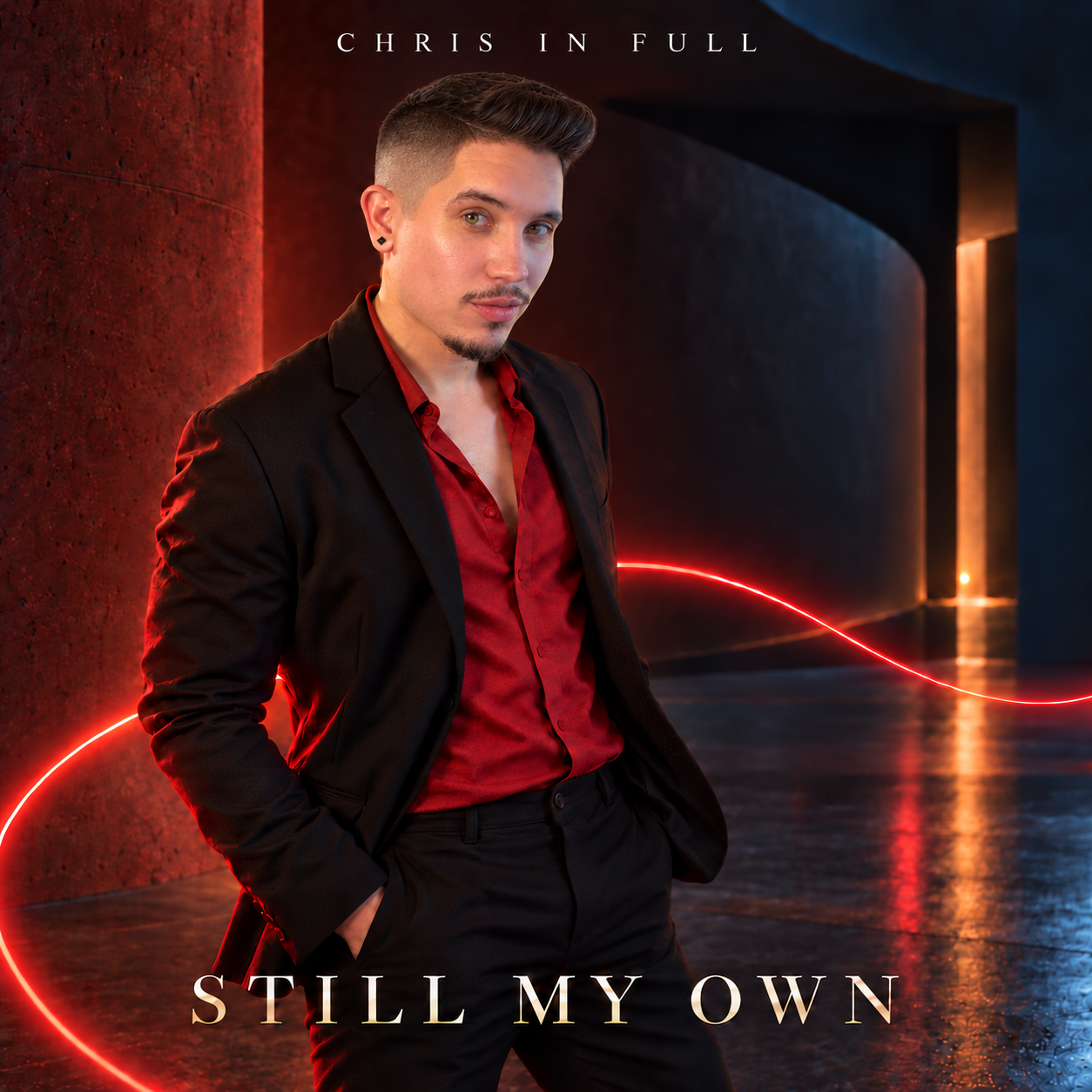
From Chris
Still My Own and Aún Soy Mío are expressions of my life, imagination and artistic vision. Their foundations are the experiences I have lived, the worlds I imagine, the words and ideas I bring, and my continuing engagement with philosophy, spirituality and psychology. These shape what the songs question, what they stand for, and the relationships between love, desire, power and freedom that run through both albums. Those questions cross cultures whose customs, histories and ways of speaking differ. The differences matter; so do the longings we keep recognizing in one another: to love, want, belong, create and have a say in the life we live.
Often, I feel what my heart wants to communicate before I have the language that can hold it. Finding those words is part of my authorship. I listen for whether a line carries the feeling, whether something essential has been lost, and whether its implications lead away from what I mean. A beautiful phrase can still be wrong for the song. I write and rewrite to give the feeling a more precise expression while leaving room for you to encounter it through a life different from mine.
Intuition and reasoning stay in conversation throughout that work. An emotional response can reveal a distinction I have not yet understood; examining the language can deepen my understanding of what I feel. I consider what a line says, what it implies, whose perspective it leaves out, and how its meaning changes within the song. Revision does more than clarify an existing intention. It can reveal something I need to question, develop or understand more fully.
The qualities I embrace as part of my femininity (receptivity, sensitivity to emotional nuance, empathy, and the willingness to be moved) are active in this authorship. They shape how I listen, imagine another person’s experience, and make room for feelings that have not yet found words. Alongside them, I embrace masculine qualities such as decisiveness, clarity, courage, and the willingness to act. I do not see these qualities as belonging exclusively to any gender; regardless of gender, we all carry feminine and masculine qualities within us, and their interplay can make our thinking and expression more whole. Receptivity can change what I understand, while discernment and conviction help me decide how to express it without losing its emotional depth.
From Second Looks, the original conception of my first album, through the substantial redevelopment that became Still My Own, this has involved extensive original writing, rewriting, narrative development and musical direction. The work continues between languages, cultures, mental visuals, and sound: what reads clearly must also carry the feeling through phrasing, rhythm, imagery, and delivery.
I develop language with AI through extensive constitutions I define around my human values, lived experience, ways of thinking and creative intentions. Those directions shape what I ask it to examine and propose. My experiences, questions, corrections and judgments continue to change the work throughout its development. AI can introduce possibilities I had not imagined; I decide what to question, transform, reject, develop or keep. Its contribution enters a human practice that remains responsive to what I actually mean and choose.
Real Hearts & Bodies names the artistic signature I develop where inner life becomes expressive choice: what I feel, what I understand, what I question, and what I refuse to make smaller. Writing, performance, sound and imagery give those relationships a form another person can encounter. I want the work to reach something you recognize in yourself—and leave you freer to decide what to do with it.
Sometimes I hear a familiar promise and begin making an old sacrifice: my time, my freedom, a truth I already know. In my spiritual language, those repetitions are karmic cycles. Naming the pattern matters when it helps me notice what I am repeating and choose differently. Familiar shame does not become truth because I have carried it for years. What the song opens in your own life remains yours to understand.
A philosophical life can have a filthy sense of humor. I want thought with a pulse: something I can live when I’m turned on, angry, tender, tempted or laughing too hard to finish a sentence. The wisdom has to leave room for desire, and the desire has to leave room for another person’s answer.
01 · Origination
A lifelong interest in philosophy and psychology runs through Chris’s meditation, memories, spiritual inquiry, desire, work and relationships. The questions and convictions begin in that lived inner life, before they find a lyric, a sound or an image. That life remains active throughout the making: what he feels, questions and discovers continues to shape what he writes and how he develops it.
02 · Transformation
A polished line can still say the wrong thing. Chris develops and revises the writing until its choices carry the meaning: who acts, who gets a say, what changes, and whether the freedom promised by the song actually exists inside it. Emotional intuition and close reasoning inform each other as he writes, tests implications and refines what he means.
03 · Embodiment
Vocal character, rhythm, humor, tension and release make the meaning physical. Chris listens for whether phrasing and delivery carry the feeling he intended, then refines the words or redirects the sound. A sentence that makes sense on the page still has to belong in a song.
Six months in the making · A lifetime of experience
The path began with Second Looks, the original conception of Chris’s first album, and the wish to be recognized beyond a first impression. It developed through changing concepts, lyric drafts, visual ideas, performance experiments and repeated questions about what the work was really saying. Still My Own became its own album, with a distinct sixteen-song journey.
Six months went into finding the songs, the final lyric direction and the messages Chris wanted to communicate. Behind that period sit years of experience and the search for words to question inherited shame. The purpose was never simply to document pain. Freedom, pleasure and care needed to be felt in the songs, with room for listeners to bring their own histories, desires and disagreements.
The work reaches back into Second Looks. Earlier songs, drafts and questions were revisited as the new album took shape, alongside writing that opened entirely new possibilities. A changed title or a new version did not mean starting from nothing. Chris carried forward what still felt true, challenged what no longer fit, and kept refining the words, the musical direction and the feeling he wanted another person to receive.
The archive preserves hundreds of documented revisions and decisions across the work: exact wording changes, lyric redevelopment, and musical and performance direction. These records make the human work examinable—what Chris contributed, what changed, and which choices became part of each version.
During one documented stage of development, the title track reached Revision 67. Chris specified language, clarified emotional meaning, and identified what needed to change or remain. Those decisions helped shape a central distinction: being whole in the present does not mean being finished becoming, and discovering something new does not automatically make an earlier feeling false.
The work continued through musical, lyrical, and performance revisions. Chris wanted the ending to carry the force of a conclusion without closing off the life beyond it. He kept refining the direction until he felt that conviction, emotional openness and the possibility of more were present together.
Each song asks something different of the writing and musical direction. These are some of the intentions Chris kept returning to through drafting, listening and revision: what the song must make felt, what it must leave open, and what it must never lose.
From Chris · The independent studio
I am the artist and the creative operation behind Chris in Full.
I carry the work across original writing, extensive rewriting, narrative development, musical and performance direction, visual conception and artistic presentation. From the earliest drafts of my musical expression to Still My Own, these responsibilities have remained connected through my continuing creative involvement.
These forms develop in relationship. A lyric can change the feeling of a rhythm; a vocal delivery can reveal another meaning; an image can open a different way into the song. I keep working across those relationships so that the writing, sound and visual world serve what I want to express.
Chris in Full is my independent creative practice. My recorded performances, writing, musical direction, imagery and presentation develop through my continuing artistic choices. The credits for each recording identify its particular human and generated contributions.
About the voices in the musicStill My Own
Concept, lyric writing and development, and creative direction by Christian Rodriguez / Chris in Full.
The album grows from Chris’s lived experience, inner imagery, ideas, and engagement with philosophy, spirituality and psychology. He develops the emotional purpose of each song and its place in the sixteen-song journey, carrying that vision through writing, revision and musical direction.
Original writing, extensive rewriting, narrative development and line-by-line revision. Chris works between emotional intuition and logical synthesis: writing specific language, reshaping scenes and perspectives, and examining what a line says, implies or leaves out. His revisions preserve what feels true, challenge what misrepresents his vision, and can deepen the intention itself.
Chris develops the genre blend, vocal character, emotional delivery, rhythmic energy and arrangement goals. Through repeated listening and redirection, he considers whether the sound carries the same meaning as the words, where the feeling needs more space or force, and how the song moves. He selects the versions that serve that developing vision.
The inner images, symbolic relationships, identity and atmosphere of Chris in Full. Chris directs and refines visual treatments, choosing how his presence and the album’s world take form.
Chris’s authorship continues across writing, sound and imagery through original expression, substantial revision and artistic direction. His language development with AI takes place within extensive, human-defined constitutions: values, boundaries and creative directions grounded in his life, mindset and purposes. He continues to supply the experiences, corrections, questions and judgments that shape the proposals and their development. AI tools also generate music, singing and imagery, including possibilities he had not already imagined. He continues to write, question, transform, perform, edit and redirect, attending to how each choice carries or changes what he means. Particular recordings have their own combination of contributions.
These credits describe the album’s creative development; they are not final recording credits.
Behind the recordings
AI expands the ways I can create. My life, imagination and artistic judgment give the work its purpose and keep shaping what it becomes. I write, record, listen, question, revise and direct. Generated language, music, voices and images can also introduce possibilities I had not imagined. I decide what to develop, change, reject or keep, and remain responsible for what I choose to share. I want the contributions described accurately: what I wrote or recorded, what was generated and how I shaped the result.
No. The albums include my recorded voice and AI-generated singing and rap. Within Refractions, my own performance has a deliberately distinct sound treatment. A generated vocal can carry something I have developed and want to communicate while remaining different from a recording of me performing it. The credits for each recording identify those contributions.
My writing and revisions shape what the songs say; my musical direction, recorded performances and editing help give that meaning a sound. I listen for how language, phrasing and delivery work together, and keep developing the result when it reveals another possibility or loses something essential.
Refractions connects my recorded voice and its deliberate sound treatment with generated performances, imagery and imagined figures. It gives different expressions of my inner life a relationship within Chris in Full.
A feeling can become a voice, a figure, an image or a world. Different forms can reveal warmth, appetite, wit or tenderness in different ways. I develop those relationships through writing, listening, revision, performance and digital editing.
Those forms have different origins. My continuing creative choices connect them, and what emerges can also change my understanding. The fuller Refractions account explores that relationship.
Inside RefractionsPeople across sexualities, genders and backgrounds. Gay, straight, lesbian, bisexual, pansexual, asexual, queer, questioning, or without a label: you do not have to resemble Chris or share his relationships to find something here that belongs in your life.
Some lyrics explicitly name men loving men. That is both personal and intentional: Chris challenges a hierarchy that treats heterosexuality and socially approved relationships as the default, while asking others to justify their existence. The songs give those men room to love, want, laugh and live. Their presence makes the welcome more complete; it does not make anyone else’s humanity smaller.
Why these choices matter to ChrisThe feelings, questions and many of the beginnings come from Chris’s life. The songs also use imagination: a vampire, a staged conversation, a different ending. A lyric is not a transcript or a claim that every scene happened literally.
The artist notes bring you closer to the lived source. The songs give that source room to become something you can inhabit on your own terms.
Still My Own and Aún Soy Mío are two complete albums with sixteen connected songs each. The music, expression and pacing give each an experience of its own. The Spanish performances bring together accents and influences from more than one country. Explore either album on its own, or follow a connected song into the other and hear what changes.
Choose Still My Own for the English experience or Aún Soy Mío for the Spanish experience. The album you choose determines the language of its pages. Follow a connected-song link to explore the other album.
Official release: December 3, 2026. Still My Own and Aún Soy Mío are scheduled to arrive together. Listening links will appear here as the albums become available on streaming platforms.
Explore the songsThe creative credits above describe the vision, writing and revision, narrative development, musical and performance direction, and visual work behind the albums. Recording credits identify the writing, performances and production contributions in the particular version being heard.
Creative-development notes explain how the work took shape. The credits accompanying each recording should describe the human and generated contributions in that specific version.
Read the creative credits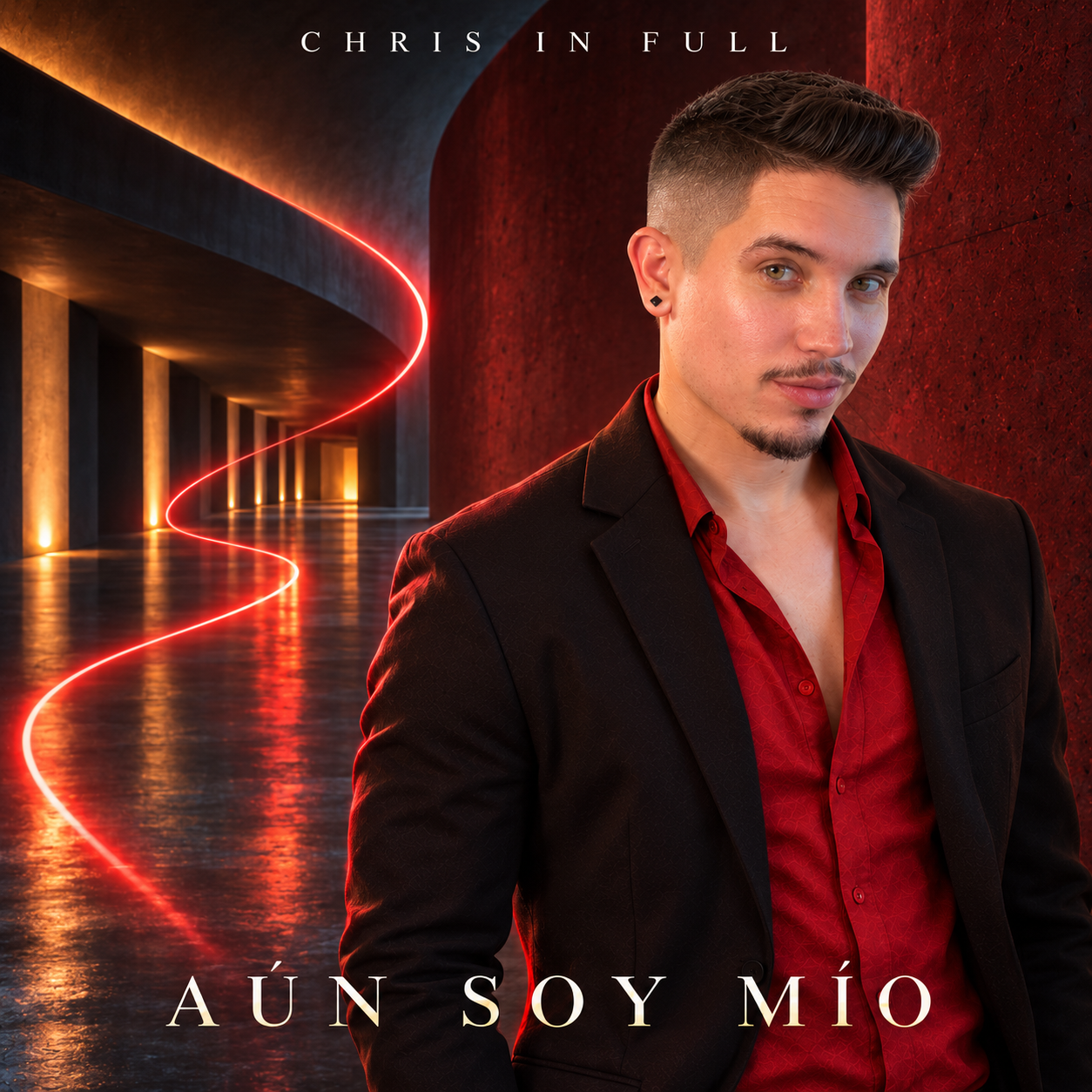 Aún Soy Mío